AI & Business in Winnipeg
How local businesses in Winnipeg, Manitoba are growing with AI automation
AI & Technology Landscape in Winnipeg
In Winnipeg, Manitoba, AI is revolutionizing how local businesses operate, enhancing efficiency and customer engagement across key sectors. For instance, in agriculture, which drives much of Winnipeg's economy through its vast grain fields, farmers are adopting AI-powered automation to optimize crop monitoring and yield predictions, reducing waste and boosting productivity. In manufacturing hubs like those in the Transcona district, companies leverage AI chatbots to streamline supply chain operations, cutting down on errors and speeding up production lines. Financial services firms in downtown Winnipeg, centred around the Exchange District, use voice agents for secure client interactions, improving accessibility while maintaining compliance. Meanwhile, in transportation and aerospace industries, AI marketing tools analyse data from Winnipeg's major rail and air corridors to target customers more effectively, increasing leads by up to 30 per cent. Winnipeg businesses are actively integrating these technologies; for example, a restaurant near The Forks employs chatbots for table reservations, handling inquiries 24/7 and freeing staff for core tasks. This shift not only addresses the challenges of Winnipeg's diverse economy but also positions small and medium enterprises to compete globally, with AI tools like automated scheduling enhancing daily operations in this vibrant Manitoba city.
Key Industries & AI Applications
Winnipeg, Manitoba, boasts a robust economy anchored in agriculture, manufacturing, financial services, transportation, and aerospace, with AI playing a pivotal role in each sector. In agriculture, which contributes significantly to Winnipeg's GDP through exports from the Red River Valley, AI applications like precision farming software help farmers analyse soil data in real-time, potentially increasing yields by 20 per cent and reducing input costs. This innovation is evident in businesses near the University of Manitoba's agricultural research centres, where small farms adopt these tools to combat climate variability. Turning to manufacturing, a cornerstone in Winnipeg's industrial parks such as those in St. James, AI-driven predictive maintenance systems monitor equipment to prevent breakdowns, saving local firms an estimated 15 per cent in downtime costs annually. For financial services, concentrated in the Exchange District of Winnipeg, chatbots provide personalized customer advice, enhancing service delivery while handling routine inquiries, which has led to a 25 per cent rise in client retention for small advisory firms in this Manitoba city. In transportation, vital for Winnipeg's role as a logistics hub, AI optimizes route planning for trucking companies along the Trans-Canada Highway, reducing fuel consumption by 10 per cent and improving delivery times. Finally, in aerospace, institutions like the Richardson Centre for Functional Foods and Nutraceuticals collaborate with local manufacturers to use voice agents for quality control, ensuring precision in parts production. These AI integrations reflect Winnipeg's economic resilience, with over 1,129 businesses listed on LocalAIHub.ca benefiting from targeted tech adoption in this dynamic city.
AI Adoption Guide for Winnipeg Businesses
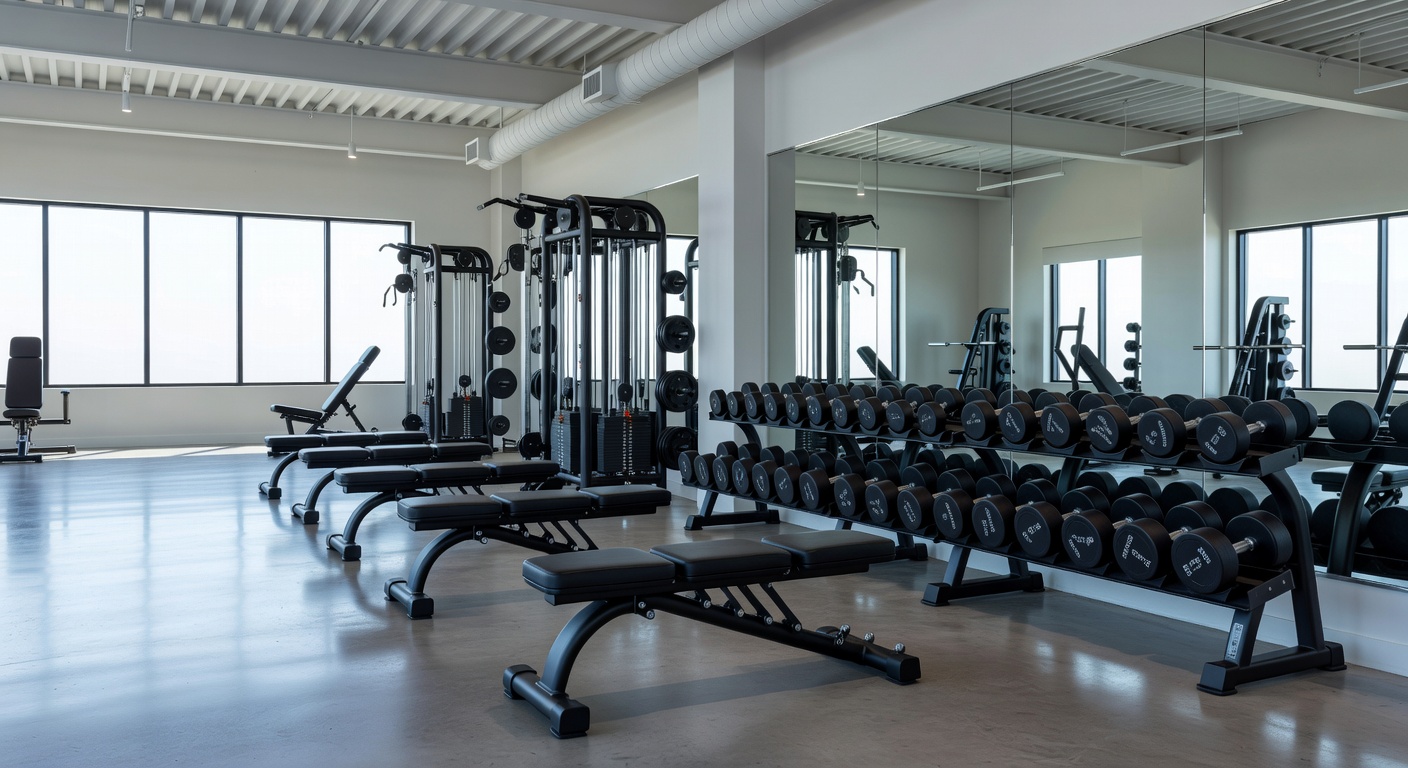
For business owners in Winnipeg, Manitoba, adopting AI can transform operations, but it's essential to address common concerns like cost, complexity, and PIPEDA compliance. Start by exploring affordable tools such as AI chatbots for customer service, which many Winnipeg entrepreneurs use to handle inquiries without overwhelming staff, often at a low monthly fee. Automated lead generation via platforms like Google Business optimization can boost visibility for small businesses in neighbourhoods like Osborne Village, capturing more local clients while PIPEDA compliance is managed automatically through built-in data protection features in these tools. In Winnipeg's vibrant business community, where commerce patterns favour community-driven services, voice AI simplifies appointment scheduling for sectors like auto repair, reducing administrative burdens. To tackle complexity, begin with user-friendly options like automated review management, which helps gym owners in Winnipeg track feedback and respond promptly, potentially increasing customer loyalty by 15 per cent. Remember, the Winnipeg business scene, with its mix of traditional and tech-savvy enterprises, supports gradual AI integration—check resources on LocalAIHub.ca for tailored advice. By focusing on these tools, Winnipeg's small and medium businesses can navigate costs effectively and ensure their operations align with Manitoba's regulatory standards, making AI adoption a smart, achievable step in this innovative city.
Why Winnipeg Is Ready for AI-Driven Growth
Winnipeg, Manitoba, stands out as a prime location for AI-driven business growth, leveraging its population of 750,000 to foster a dynamic market for innovation. The city's economic base in agriculture, manufacturing, financial services, transportation, and aerospace provides a solid foundation, with educational institutions like the University of Manitoba offering cutting-edge AI programs that supply skilled talent to local firms. Winnipeg's infrastructure, including high-speed internet and strategic transport links via the Red River and major highways, enables seamless data flow and connectivity, essential for AI applications in small businesses. Its cultural diversity, drawn from Indigenous heritage and immigrant communities, enriches problem-solving approaches, making Winnipeg a hub for inclusive tech development. Geographically, as the 'Gateway to the West,' Winnipeg benefits from proximity to the U.S. border and trade corridors, facilitating cross-border e-commerce and data exchange that amplifies AI's impact. This positions Winnipeg businesses to capitalize on emerging trends, such as automated systems in the Exchange District, driving a 10 per cent annual growth in tech adoption. With over 1,129 businesses on LocalAIHub.ca, Winnipeg's forward-looking environment ensures small and medium enterprises thrive, turning its historical strengths into modern opportunities in this resilient Manitoba city.
AI Success Scenarios for Winnipeg
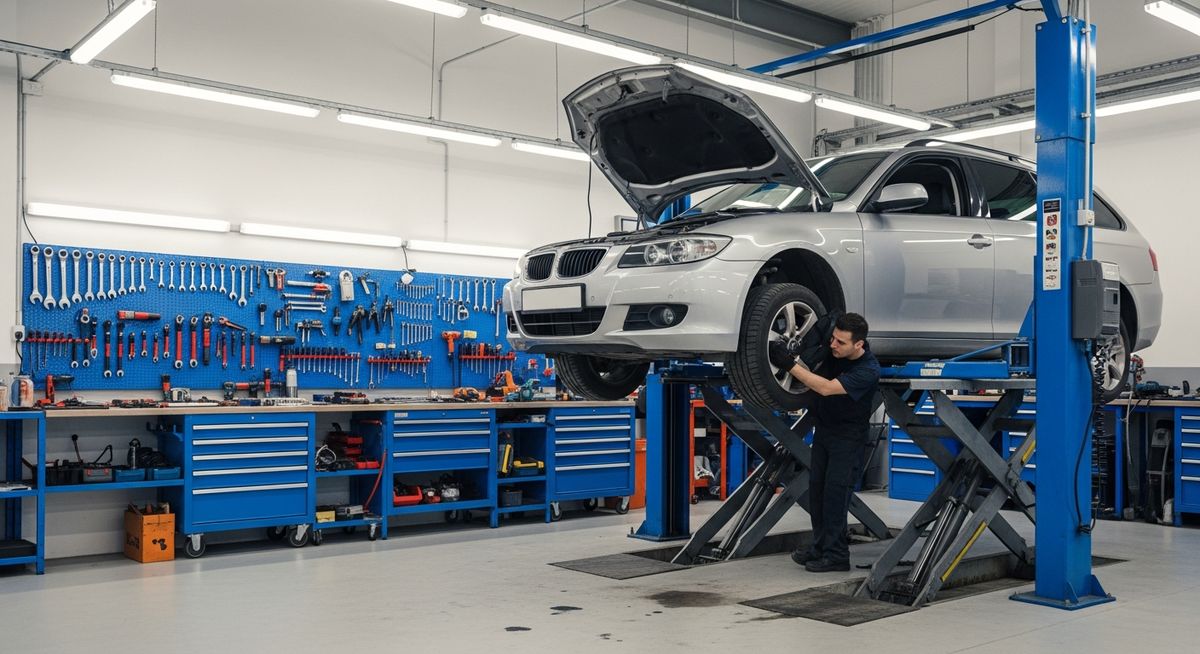
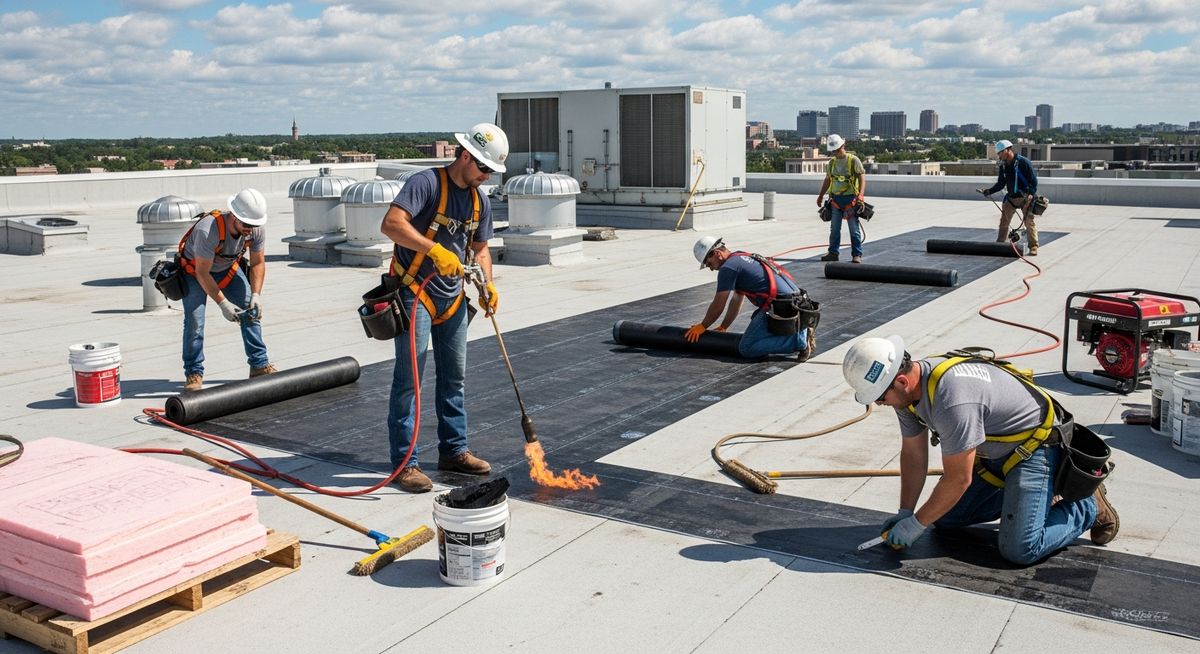
In Winnipeg, Manitoba, small businesses are seeing tangible benefits from AI integration. For an auto repair shop in the Transcona area, implementing a chatbot on their website handles after-hours inquiries, generating 40 per cent more leads and saving owners 10 hours per week previously spent on phone duty. A lawyer's office in downtown Winnipeg uses voice agents for initial client consultations, capturing 25 per cent more appointments by providing instant responses outside regular hours, while automating record-keeping to ensure PIPEDA compliance. At a hair salon in Osborne Village, Winnipeg, automated scheduling software optimizes booking slots, reducing no-shows by 30 per cent and freeing up staff to focus on services, ultimately increasing revenue by 20 per cent. Finally, for a roofing contractor in Winnipeg's suburbs, AI-powered review management tools monitor online feedback in real-time, boosting customer ratings by 15 points and attracting 35 per cent more jobs through enhanced local search visibility on platforms like LocalAIHub.ca. These scenarios demonstrate how Winnipeg's small businesses, from gyms using AI for membership tracking to save 15 hours weekly on admin, are achieving measurable growth in this innovative Manitoba city.
Ready to AI-Power Your Winnipeg Business?
Join businesses across Manitoba using LocalAIHub's AI automation to grow revenue, save time, and deliver better customer experiences — fully PIPEDA compliant.